
Rocky Mountain Mom Jeans Waistband Too Loose? Here’s the Fix
A mom jeans waistband loose enough to gap at the back is one of the most common fit complaints we hear. The high-rise silhouette that makes mom jeans flattering in front can leave extra fabric at the natural waist, especially after the first few washes when denim relaxes.
We designed our Rocky Mountain mom jeans with a contoured waistband to minimize gapping, but bodies change and denim stretches — sometimes you need a permanent fix, and sometimes a quick trick will do. This guide covers both, so you can decide what works for your jeans and your comfort.
Why Mom Jeans Waistbands Loosen Over Time
Denim is a twill-weave cotton fabric, and cotton fibers relax with wear and washing. The denim construction that gives jeans their durability also means the fabric holds body heat and moisture during wear, which temporarily softens the fibers — when you take the jeans off, they cool and dry in a slightly larger shape than when new.
Mom jeans sit at the natural waist, where most bodies curve inward between ribs and hips. A waistband cut straight across that curve will always have slack at the small of the back unless it’s tailored to follow your exact contour. Our Rocky Mountain mom jeans use a slightly curved waistband to reduce back-gap, but every body is different.
If you’ve lost weight, built core muscle, or simply broken in a pair that started snug, you’ll notice the waistband riding lower and bunching when you sit. That’s normal — it just means it’s time for an adjustment.
Permanent Alterations: Taking In the Waistband
The most reliable fix is a center-back seam alteration. A tailor removes the waistband, takes in the excess fabric at the center back seam (usually one to two inches total), then reattaches the waistband and belt loops.
This costs thirty to fifty dollars at most local alteration shops and takes about a week. The jeans will fit exactly as they did when new, but sized to your current waist measurement.
Side-Seam Darts
If your jeans don’t have a center-back seam — many mom jeans are cut with a continuous back panel — a tailor can add small darts at the side seams instead. Two darts, each taking in half an inch, will tighten the waistband by a full inch without moving the fly or changing the front fit.
Darts are faster and cheaper than a full waistband reconstruction, but they create small folds of fabric inside the waistband that you’ll feel if you tuck in a thin shirt. For jeans worn untucked or with a sweater, darts work perfectly.
Temporary Fixes: Belts, Clips, and Elastic Inserts
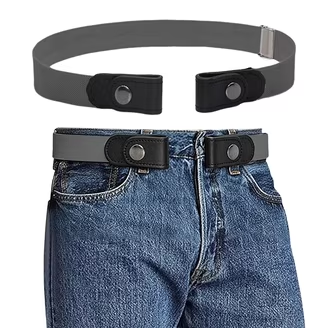
A one-inch web belt threaded through every belt loop will cinch the waistband evenly and hide under an untucked top. Avoid thin fashion belts — they pull the waistband into gathers at the front instead of distributing tension.
Jean-clip waistband tighteners (small elastic loops with metal clips that attach to the button and thread through a belt loop) take in up to two inches instantly. They’re invisible under a shirt and cost about eight dollars for a three-pack online. The downside: they pull the waistband slightly off-center, so the fly twists to one side when you sit.
Elastic Inserts
Some tailors offer an elastic-insert service: they open the waistband at the side seams, insert a two-inch strip of strong elastic, and close it back up. The elastic flexes when you sit and pulls snug when you stand, so the jeans feel fitted all day without constant adjustment. This costs about the same as a traditional alteration but works especially well if your waist measurement fluctuates.
When to Size Down Instead of Altering
If your jeans are loose everywhere — hips, thighs, and waist — the fit issue isn’t the waistband, it’s the overall size. Alterations can’t fix jeans that are genuinely too big.
Try the next size down and check the hip fit first. Mom jeans are cut straight through the hip and thigh, so if the smaller size fastens comfortably at the button and doesn’t pull across your seat when you sit, that’s your true size. The waistband should feel snug when new — it will relax to comfortable after two or three wears.
Readers comparing our different high-rise styles often ask whether a different cut would fit better at the waist. Our guide to Rocky Mountain jeans with flaps versus five-pocket jeans covers how waistband shaping differs between western-inspired and classic mom-jean cuts, which can help if you’re deciding between styles for your next pair.
Choosing the Right Fix for Your Fit
A mom jeans waistband loose at the back is fixable — you just need to decide whether you want a permanent solution or a quick daily workaround. If the jeans otherwise fit well and you plan to keep wearing them for years, a tailor’s alteration is worth the cost.
If you’re between sizes, recently postpartum, or your weight fluctuates seasonally, temporary fixes like belts and jean clips give you flexibility without committing to a new measurement. Both approaches work — it’s about what suits your body and your routine right now.
Common Questions About Loose Mom Jeans Waistbands
Hot water and a hot dryer will shrink denim temporarily, but the waistband will stretch back out within an hour of wear. Cotton fibers contract when heated and expand again under tension — your body provides that tension the moment you button the jeans.
If you want to try it anyway, wash in hot water, then dry on high heat until completely dry. The jeans will feel stiff and tight when you first put them on, but that tightness won’t last past your first sit-down.
A center-back waistband alteration typically costs thirty to fifty dollars and takes five to seven business days. Side-seam darts cost slightly less, around twenty-five to forty dollars, because they require less disassembly.
Prices vary by region and shop. Dry cleaners that offer alterations often charge less than independent tailors, but check their denim experience first — a waistband alteration done wrong will pucker or twist the back yoke.
A belt will cinch the waistband tighter, but it won’t eliminate back-gap if the jeans are genuinely too large. The gap happens because the waistband is cut straight and your lower back curves inward — a belt pulls the fabric toward your body but doesn’t reshape the curve.
If the gap is small, a belt helps. If you can fit more than two fingers between the waistband and your back when standing, you need either an alteration or a smaller size.
You can hand-sew a strip of one-inch buttonhole elastic to the inside of the waistband at the side seams, but it’s tricky to get the tension right. Too loose and it does nothing; too tight and the waistband bunches.
Measure the gap at your back when standing, then cut elastic two inches shorter than that measurement. Pin it to the inside waistband at both side seams, try on the jeans, and adjust the pins until the fit feels snug but not restrictive. Sew each end of the elastic securely with a needle and heavy-duty thread, making several passes through both the elastic and the waistband fabric.
Not always, but it’s common. High-rise jeans sit at or above the natural waist, where most torsos narrow — a waistband cut for the widest part of your hips will have slack at the smallest part of your waist unless it’s contoured.
Some brands cut a curved waistband that follows the body’s inward taper from hip to waist. Others use stretch denim that molds to your shape. If you consistently have back-gap in high-rise styles, look for jeans labeled contoured waistband or try a size down in a stretch blend.
Buy them snug but not uncomfortable. The waistband should feel firm when you button them new — you shouldn’t be able to slide two fingers easily between the denim and your stomach. After two to three wears, that snugness will relax to a comfortable fit.
If the jeans are so tight you can’t sit comfortably or the fly pulls open, they’re too small and won’t stretch enough to fix that. If they feel loose when new, they’ll be genuinely baggy after a week.